Are You an Off-Roading Enthusiast? Here’s Why Vibration Testing Matters!
Picture this: it’s Saturday morning, and you're taking your 4x4 Jeep out for a ride. You head into the backcountry, navigating rocky trails, steep



Picture this: it’s Saturday morning, and you're taking your 4x4 Jeep out for a ride. You head into the backcountry, navigating rocky trails, steep

Delta, BC, Canada - September 2026 - LabTest Certification Inc. is pleased to announce a new partnership with Karandikar Laboratories Pvt. Ltd. (KLPL), located

A product can be ready for its next round of EMC testing and still end up waiting. Not because the design isn't ready. Not

The 2026 National Electrical Code (NEC) introduces important changes affecting GFCI protection for certain outdoor HVAC equipment at dwelling units. The timing matters:

Changing certification providers can feel like starting over. You already have certification reports. You already have test data. Your facility may already have a

It’s a question that sounds simple and technical and in reality, it is simple, provided it’s asked at the right time. The choice between
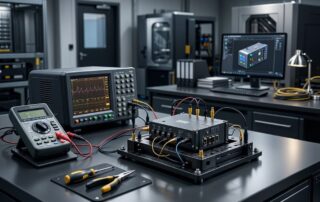
Bringing a product to market is a significant investment. Months, sometimes years of engineering, design, prototyping, sourcing, and development all lead to one critical
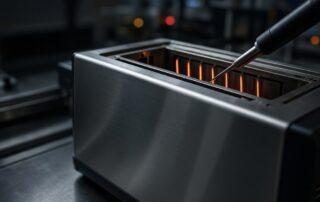
Bringing a new product to market is exciting. But between brainstorming, prototypes, and production runs, there’s one stage that often throws manufacturers off balance:
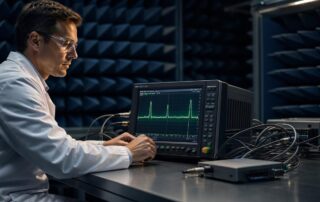
A product can perform exactly as intended and still fail EMC compliance. For many engineering teams, that comes as a surprise. The prototype powers

When it comes to product testing, a lot of assumptions float around, especially among the manufacturing industry. As a certification body, we often see